EU’s Kaja Kallas Unveils Two-Point Strategy on Russia, Ukraine and Hybrid Threats After Foreign Affairs Council
#peace #security #geopolitics
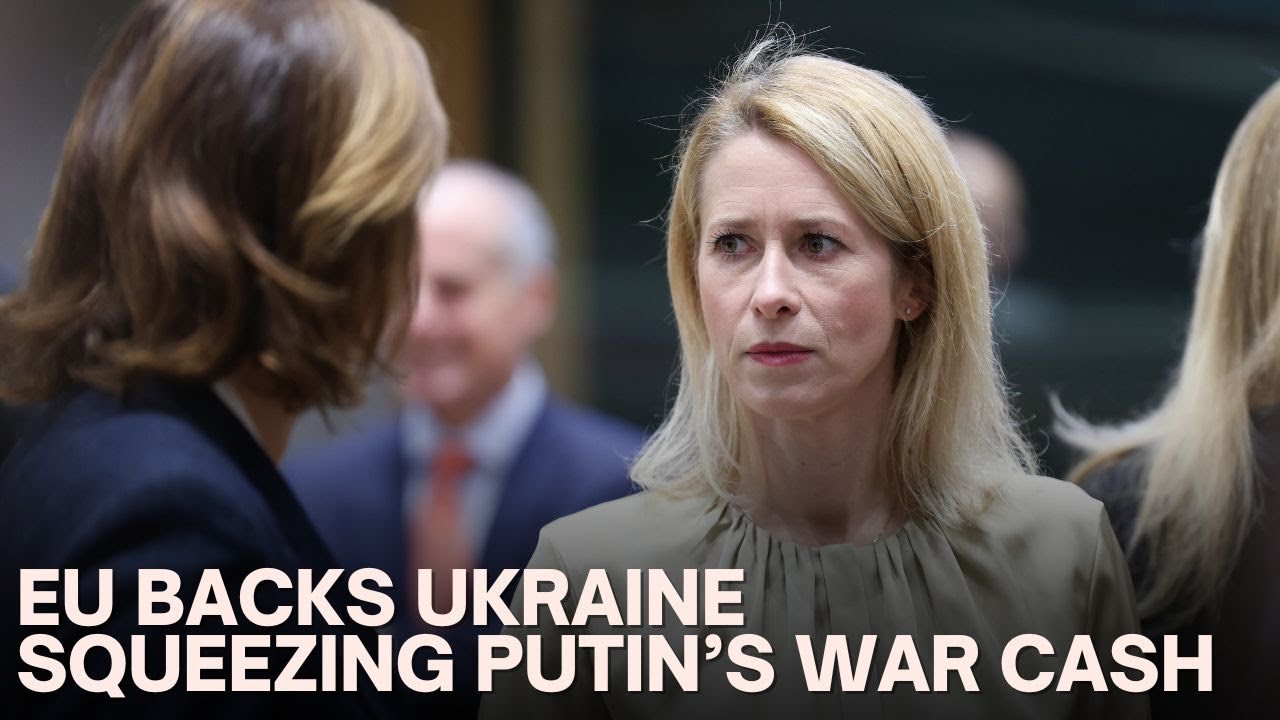
High Representative Kaja Kallas has outlined a hardened European Union strategy on Russia, Ukraine, hybrid threats and global crises following an intense November meeting of the Foreign Affairs Council in Brussels. She reaffirmed that the EU supports a “just, lasting and comprehensive peace” in Ukraine, but stressed that any peace plan must be backed both by Kyiv and by European partners. Kallas underlined that if Russia truly wanted peace, it would have accepted an unconditional ceasefire offer already in March, instead of continuing daily attacks. She pointed to the killing of 26 Ukrainian civilians in Russian strikes just yesterday as proof that Moscow has not changed course.
The High Representative repeated a clear EU “two-point plan”: weaken Russia and support Ukraine. Ministers were briefed by the head of the EU Intelligence Centre and the EU sanctions envoy on the impact of sanctions, particularly on Russia’s oil revenues. Kallas said exports of Russian crude are at their lowest in months and oil tax income is at its lowest since the start of the full-scale invasion. She argued that sanctions are “hitting Russia hard” and confirmed that more measures are coming.
A major focus was the so-called Russian “shadow fleet” of oil tankers, which the EU sees as a key sanctions-busting tool. The EU has already sanctioned more than 550 ships and is pursuing pre-boarding agreements with flag states to allow legal inspection of vessels. Kallas said slowing the shadow fleet directly cuts Russian revenue and confirmed that ministers favour more agile, rolling listings rather than waiting for large sanctions packages.
The Council also discussed recent sabotage and hybrid attacks, including strikes on Poland’s railway network. Kallas warned that Russia’s hybrid actions in Europe are becoming “increasingly brazen” and went as far as accusing Moscow of “state-sponsored terrorism”. She said responses could include additional sanctions and measures to tackle online recruitment of saboteurs, often petty criminals hired to carry out attacks.
On financing Ukraine for 2026–2027, ministers noted an options paper but did not enter detailed negotiations. Several member states reiterated support for the proposed reparations-backed loan as the clearest way to sustain Ukraine’s defence and send a long-term signal to Moscow. Kallas argued that supporting Ukraine now is a “bargain” compared with the cost of a Russian victory and said the reparations loan must move forward regardless of any emerging peace discussions.
Turning to the Middle East, Kallas called the UN Security Council resolution for an international stabilisation force in Gaza a “game-changer”. She said peace depends on Hamas having no role and on international partners, including the EU, taking responsibility on the ground. EU staff are already working in a Coordination Centre on humanitarian and security issues, and ministers discussed options to expand the EU border mission at Rafah to other crossings. France has pledged 100 police officers for a possible EU police support mission to train Palestinian police, and Kallas will meet Palestinian Prime Minister Mohammad Mustafa to discuss reforms and EU support.
The High Representative also highlighted the presence of ASEAN ministers at the Council lunch and the upcoming EU Indo-Pacific Forum, with 70 delegations expected in Brussels. She stressed that European and Asian security are interconnected, from supply chains to critical infrastructure. Looking to Africa, Kallas announced that the EU has approved principles for a renewed Sahel approach, focusing on political engagement, human security and economic opportunities to prevent conflict, tackle migration drivers and counter organised crime.
On Sudan, she described a sharply deteriorating situation after the Rapid Support Forces captured El Fasher, adding that thousands have been killed and civilians are suffering immensely. The EU adopted sanctions against Abdel Rahim Dagalo, the RSF’s second-in-command, which Kallas said sends a signal that those responsible will be pursued. She acknowledged that member states also raised the role of “enablers” supplying weapons to warring parties and agreed on intensified diplomatic outreach to those states.
Responding to questions about alleged US-Russia peace plans on Ukraine negotiated without Europeans, Kallas said ministers were calm and united, insisting no peace plan can work without Ukrainian and European consent. She said no EU official reported being involved in such a plan and repeated that pressure must stay on the aggressor, not the victim.
——————————————————
*Subscribe to Europe Pulse*
Stay updated with the latest news from Europe.