Russia vs. NATO: The Truth About the Romania Drone Incident
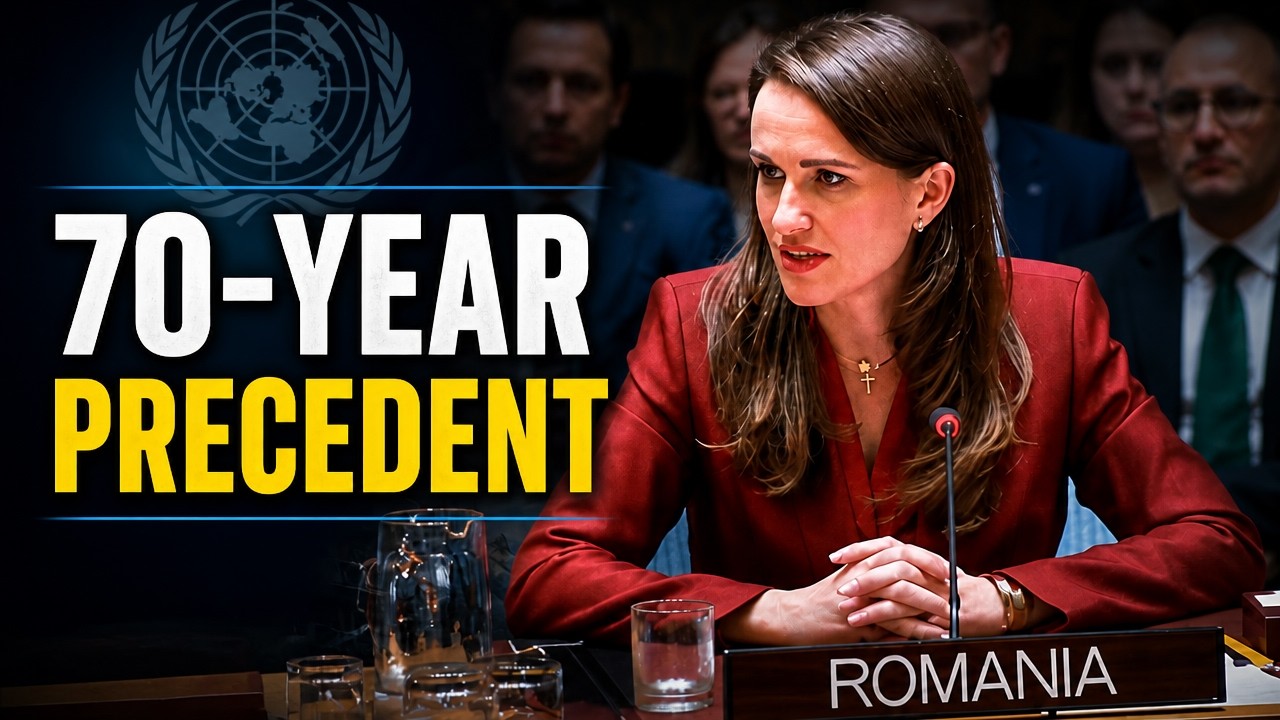
For the first time in its 70-year history at the United Nations, Romania convened an emergency UN Security Council meeting, shining an urgent spotlight on a recent Russian Geran-2 drone strike in Galați. This incident, which struck a residential apartment building and injured civilians, has ignited new fears that Russia’s war in Ukraine is directly spilling into NATO territory, escalating regional tensions to a perilous new level.
The night of May 28–29 saw a Russian-made Geran-2 explosive drone crash into a 10-story residential apartment building in the Romanian city of Galați. The strike caused injuries to a mother and her child and necessitated the evacuation of approximately 70 residents. Romanian investigators swiftly concluded that the drone originated from a Russian attack wave targeting Ukrainian infrastructure near the Danube River. Crucially, Romanian authorities confirmed the aircraft remained inside Romanian airspace for several minutes before impact, marking the first casualty-causing drone incident inside Romania since Russia’s full-scale invasion of Ukraine in 2022.
An Unprecedented Diplomatic Response at the UN
The Galați drone strike triggered an unprecedented diplomatic response from Bucharest. Romanian Foreign Minister Oana Toiu appeared before the UN Security Council Session 10162, emphasizing that Romania had never before requested an emergency Security Council meeting on a matter directly affecting the country. Speaking on behalf of a broader coalition of 56 supporting nations, Toiu issued a stark warning against the normalization of repeated Russian airspace violations. She presented compelling technical evidence linking the drone to Russia’s Geran-2 program, underscoring the gravity of the situation. Representatives of the United States, United Kingdom, France, Latvia, and Greece swiftly condemned the incident, collectively describing it as a dangerous escalation affecting both European and NATO security.
The Diplomatic Frontline: International Condemnation
- United Nations Warning: UN official Kayoko Gotoh warned that the escalation of the war is creating an increasing risk of spillover beyond Ukraine’s borders and could spiral out of control. Her briefing highlighted the growing regional instability.
- Latvia: Russia Is a Threat to International Security: Sanita Pavļuta-Deslandes, representing Latvia, accused Russia of becoming a direct threat to international peace and security. She condemned the attack as the first incident in which Russian military actions directly injured civilians inside a neighboring country.
- France: Full Solidarity With Romania: Jérôme Bonnafont for France condemned the violation of Romanian sovereignty and reaffirmed the unwavering NATO and European Union support for Bucharest, emphasizing collective security.
- Greece: The Pattern Is Escalating: Aglaia Balta of Greece noted that Romania has recorded dozens of drone-related incidents since the beginning of the war. She warned that the conflict’s spillover effects threaten wider European security, pointing to a worrying pattern.
- United Kingdom: NATO Will Defend Its Members: James Kariuki for the United Kingdom described the strike as a serious violation of NATO airspace and stated unequivocally that Russia bears full responsibility for the growing security risks across Europe.
- United States: Every Inch of NATO Territory: Dan Negrea, representing the United States, reiterated NATO’s ironclad commitment to defend every inch of allied territory, sending a strong deterrent message to Moscow and calling for an immediate ceasefire.
Russia’s Denial and Counter-Accusations
In a predictable turn, Russia’s ambassador Vasily Nebenzya rejected all accusations, arguing that the emergency meeting was merely designed to generate anti-Russian political pressure. Moscow questioned the Romanian investigation, suggested alternative explanations for the incident, and attempted to shift attention toward alleged Ukrainian attacks near the Zaporizhzhia Nuclear Power Plant. This exchange produced one of the sharpest diplomatic confrontations at the UN in recent months, exposing deep divisions over responsibility, accountability, and the growing regional consequences of the war in Ukraine.
Romania: The Truth Must Be Protected
Romanian Foreign Minister Oana Toiu concluded the session by passionately arguing that facts themselves must be protected against manipulation and disinformation. She issued a stern warning against any attempts to portray victims as aggressors, firmly standing by Romania’s findings and the evidence presented concerning the Galați drone strike and the broader issue of NATO Romania security.