
Berlin E5 Defence Talks: EU and NATO Powers Pledge Bigger Role in Ukraine’s Defence and Hybrid Threat Response
#defence #ukrainewar #geopolitics
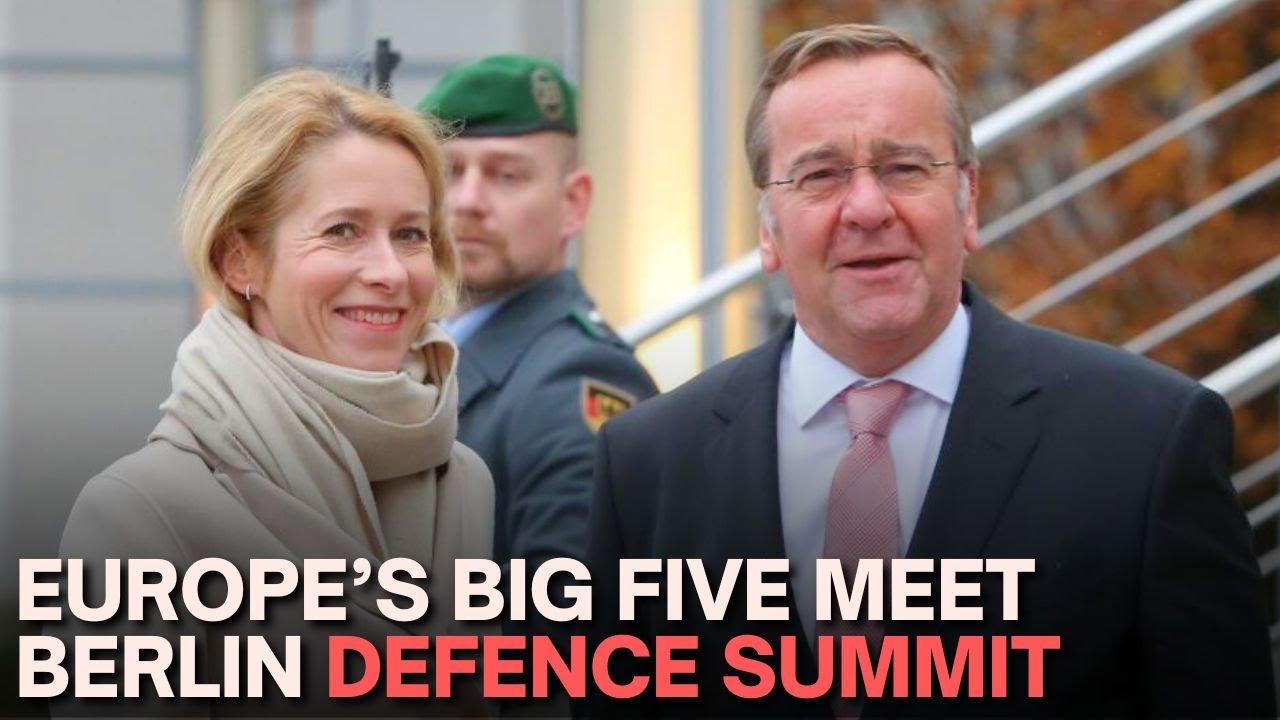
Germany, France, Italy, the United Kingdom and Poland have met in Berlin for the latest European Group of Five (E5) defence ministers’ meeting, joined by EU High Representative Kaja Kallas, to coordinate support for Ukraine and strengthen European defence.
German Defence Minister Boris Pistorius opened the press conference by stressing that the E5 brings together the five European countries with the highest defence spending, allowing for frank, off-script discussions on security, defence industry and support to Ukraine. He underlined that the format, launched about a year ago, has “proven itself” as a driver of ideas later taken to the wider EU and NATO.
Pistorius confirmed that Germany will increase support to Ukraine to more than €11.5 billion in 2026, and highlighted Berlin’s use of the U.S.-run PERL (Prioritized Ukraine Requirement List) mechanism to finance critical American-made systems such as Patriot air defence. He announced that after a €500 million package this autumn, Germany has now agreed with NATO Secretary General Mark Rutte to join another PERL package worth at least €150 million in U.S. weapons for Ukraine.
The ministers repeatedly warned that Ukraine is entering its fourth winter of full-scale war, with Russia intensifying strikes on the country’s civilian energy infrastructure in an attempt to break public morale. Italian Defence Minister Guido Crosetto said EU data shared by Kallas show 93% of Russian attacks hit civilian targets, describing the conflict as “a Russian war against Ukrainian citizens” and not about “Russian-speaking regions.”
French Armed Forces Minister Catherine Vautrin reaffirmed that France “will continue to support Ukraine for as long as it takes.” She pointed to the latest EU sanctions package against Russia and called for tighter enforcement to prevent circumvention via the so-called Russian “ghost fleet” of oil tankers, arguing that breaking this revenue model is essential to undermining Moscow’s war effort.
Crosetto said the E5 format has helped dismantle bureaucratic obstacles and create tools to support European defence industries, while also enabling joint responses to hybrid warfare, including cyberattacks and disinformation. He argued that rising defence investments in each E5 country “are a guarantee of security” for citizens across the continent, from Sicily to Berlin, and called the group’s political and military responsibility “to guide this new vision of defence” focused on stability and peace.
British Defence Secretary John Healey described Europe as being in a “new era of threat” with Russian aggression growing, citing drone incursions into Poland, Russian jets over Estonia and repeated NATO Article 4 consultations. He said this makes the E5 “more important now than it was a year ago” and pledged that the UK will play a “serious role” in defending Europe through NATO and bilateral deployments.
Healey highlighted ongoing British military activities with E5 partners, including Exercise Gaulish with France, Exercise Falcon Strike with Italy, RAF flights policing Polish airspace, and preparations to host German P-8 maritime patrol aircraft at RAF Lossiemouth. He also confirmed the deployment of UK counter-drone teams to Denmark, Belgium and now Finland, in response to recent drone threats.
Polish State Secretary Pawel Zalewski said the goal is a stronger, more “Europeanised” NATO, answering Washington’s calls for Europe to assume a greater share of the defence burden. He linked this to the pledges on higher defence spending made at the recent alliance summit in The Hague and to new investment projects in the European defence industry.
EU High Representative Kaja Kallas thanked Germany for raising its Ukraine support and said Berlin’s decision sends a “powerful message” and “saves lives.” She reported back from the G7 foreign ministers’ meeting, where all agreed that an immediate and full ceasefire in Ukraine is a priority, but said Russia currently “does not want to negotiate at all,” pointing to the pattern of missile salvos whenever diplomacy is attempted.
Kallas warned that Ukraine will need more funding next year, and argued that using immobilised Russian assets is the “most clear-cut way” to sustain Ukraine’s defence while signalling to Moscow that “time is not on their side.” She said the EU is now working on a 20th package of sanctions, noting that both EU and U.S. measures are already depriving Russia of key revenues for its war.
3:26 Kaja Kallas – Full Speech
——————————————————
*Subscribe to Europe Pulse*
Stay updated with the latest news from Europe.
