
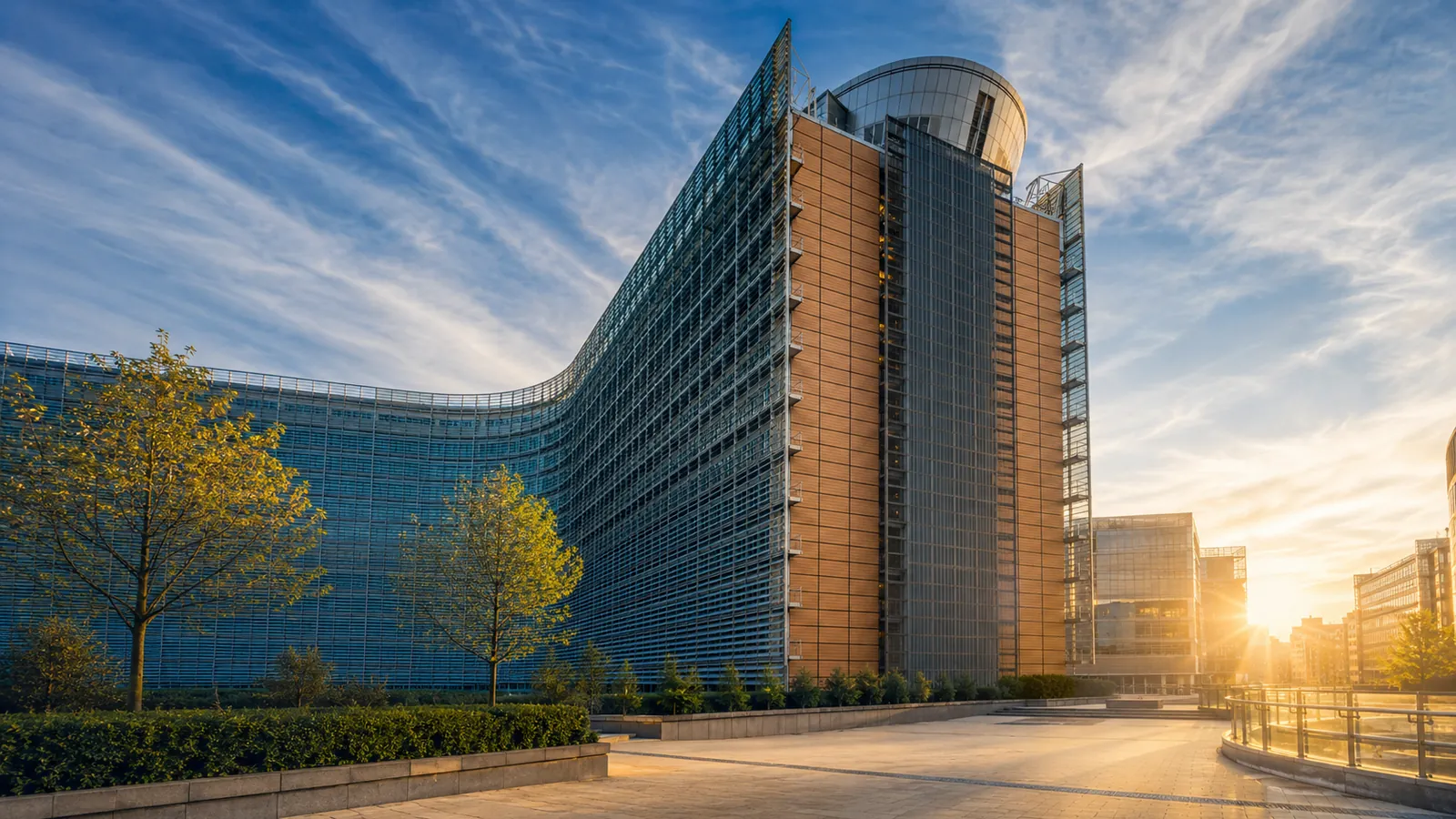
EU leaders tackle global imbalances, security threats, and digital safeguards
European leaders convened to address a range of pressing international and internal concerns, centering on persistent global economic imbalances and overcapacity, ongoing conflicts in the Middle East and Ukraine, and emerging challenges in artificial intelligence and online protection for children. The discussions underscore the EU’s attempt to align economic resilience with security and digital safeguards amid a rapidly evolving geopolitical landscape.
Context and key elements
The discussions about global economy focused on imbalances and overcapacities that affect markets worldwide. While the specific measures discussed were not detailed, the topic signals continued EU concern with ensuring stable supply chains, fair competition, and sustainable growth in a highly interconnected global economy. Economic imbalances can influence trade flows, inflation dynamics, and investment climates, all of which bear consequences for European businesses and consumers.
Security tensions remain a central thread, with attention given to conflicts in the Middle East and Ukraine. The EU has long positioned itself as a stakeholder in international stability, seeking coordinated responses that protect citizens, maintain regional security, and support humanitarian and diplomatic avenues. The simultaneous focus on these two fronts highlights the EU’s balancing act between solidarity with conflict-affected regions and its own internal security and economic interests.
On the digital frontier, leaders grappled with AI-related challenges and the protection of children online. This signals the EU’s ongoing agenda to regulate and adapt to artificial intelligence developments while safeguarding minors from potential harms in digital spaces. The emphasis on online child protection reflects broader EU objectives to uphold human-centric digital policies, align innovation with safety, and maintain public trust in emerging technologies.
Why it matters
For the EU and its member states, aligning economic policy with security and digital governance is crucial. Global imbalances and overcapacity can affect European industries, pricing, and competitiveness. By addressing these issues at the highest level, the EU aims to coordinate responses that support stable trade, supply chains, and economic growth within the single market.
Security concerns tied to the Middle East and Ukraine have direct implications for European stability, energy security, and transatlantic relations. EU policy responses—ranging from diplomacy and sanctions to humanitarian aid and defense collaboration—shape how Europe engages with key regional players and manages spillover effects, including refugee flows and regional risk assessments.
In the digital domain, the intersection of AI challenges and child protection matters for innovation policy, industry responsibility, and citizens’ everyday digital experiences. Effective governance can foster responsible AI development, reduce misuse, and create a safer online environment for children, while encouraging legitimate innovation and competitiveness of European tech sectors.
Background and next steps
The press discussions reflect the continuing EU strategy to address interconnected challenges—economic, security, and digital—through coordinated policy responses and international cooperation. While specifics about proposed measures were not disclosed in the briefing, the agenda signals a multi-faceted approach: stabilizing global economic dynamics, reinforcing regional security commitments, and advancing robust digital safeguards for minors alongside AI governance.
Going forward, the EU is likely to translate these discussions into concrete policy proposals, strategic dialogues with partners, and legislative or regulatory actions that reflect its principles of open markets, rule of law, and human-centered technology governance. Citizens and businesses may anticipate outcomes that aim to bolster economic resilience, ensure safer online environments, and maintain the EU’s role in shaping global standards for AI and digital safety.
