EU and Iraq Deepen Ties in Luxembourg: Kaja Kallas and Fuad Hussein Meet for Talks on Energy, Security, and Elections
#KajaKallas #Iraq #geopolitics
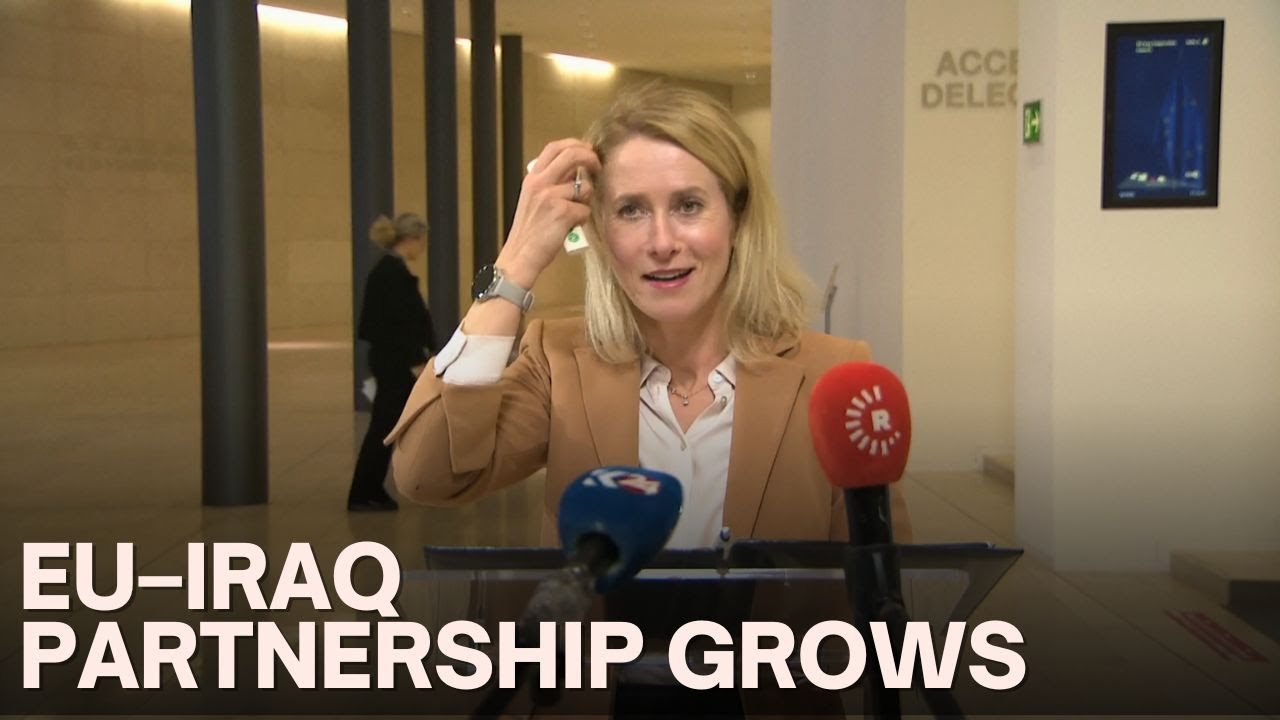
The European Union and Iraq have reaffirmed their strategic partnership at today’s fourth EU–Iraq Cooperation Council held in Luxembourg. The meeting brought together EU High Representative Kaja Kallas and Iraqi Foreign Minister Fuad Hussein, who outlined a shared vision for deeper cooperation on energy, governance, migration, and democratic reform — marking a new phase in EU–Iraq relations.
Kallas opened the meeting by warmly welcoming Hussein, describing Iraq as a “valued partner” and emphasizing the EU’s ongoing commitment to supporting stability and development across the country. She highlighted the success of the EU’s assistance mission, which has helped Iraq strengthen the rule of law, civilian administration, and security sector reform, noting that such cooperation has been “instrumental in curbing the resurgence of Daesh.”
For the first time, the EU–Iraq agenda is shifting focus from pure security concerns toward public services, economic growth, and institutional reform. Kallas confirmed that the European Union will send an election observation mission for Iraq’s upcoming November 11 vote, calling it “a significant moment for Iraq’s democracy.” She stressed that these elections must be “peaceful, inclusive, and transparent.”
She also praised Iraq’s recent election to the United Nations Human Rights Council, calling it both a “symbol of progress and an opportunity to strengthen protections for all Iraqis.” Kallas underlined that the EU’s long-term engagement aims to help the Iraqi government deliver tangible reforms and meet citizens’ expectations for better governance and economic opportunity.
Minister Fuad Hussein thanked the EU for its continued support, saying that “democracy has become part of Iraq’s political culture.” He confirmed that Iraq is preparing for its sixth election since 2003, and emphasized that the country is moving beyond a security-centered identity to a broader regional role. Hussein noted that Iraq is working closely with the EU on trade, energy, and migration, and expressed appreciation for Europe’s partnership in organizing credible elections.
Asked about Iraq’s energy exports, Kallas said the EU is working to diversify its energy portfolio, pointing to the resumption of oil exports from Iraqi Kurdistan as part of Europe’s wider strategy to avoid overreliance on any single supplier.
On security, Kallas acknowledged recent incidents but assured that the EU takes the safety of its observers very seriously. She reiterated that Iraq’s stability is crucial for regional peace and confirmed that work continues on the next EU sanctions package, with decisions expected at the European Council meeting on 23 November.
Addressing regional tensions, Hussein stressed Iraq’s independence, saying “decisions are made in Baghdad.” He added that Iraq maintains good relations with all its neighbors, including Iran, but will not become part of “any conflict or war.”
Both sides also discussed migration cooperation, including the return of Iraqi nationals from Europe and the management of Daesh-linked camps. Kallas praised Baghdad’s ongoing reforms in digitalization, governance, and public service delivery, reaffirming that the EU remains a committed long-term partner.
The meeting concluded with a joint message: a stable, democratic, and prosperous Iraq is essential for the security of both the Middle East and Europe.
——————————————————
*Subscribe to Europe Pulse*
Stay updated with the latest news from Europe.
#EuropePulse #BreakingNews #EU #WorldNews #Politics #TrendingNow #NewsUpdate #Analysis #Ukraine #Russia #USA #UK #EuropeanUnion #NATO #WorldEvents #CurrentAffairs #EUnews #TopStories #InternationalNews #Brussels #Leaders #ViralNews #Headlines