
Europe Confronts Putin’s Winter War, Internal Extremism, and a New Push for Defence Readiness
#politics #brussels #geopolitics
This week’s Europe Pulse Weekly captures a defining mix of Europe’s toughest challenges — Russia’s intensified winter campaign against Ukraine, political extremism inside the European Parliament, and a coordinated military and financial push to strengthen Europe’s defences ahead of a dangerous 2026.
Speaking before the European Parliament in Brussels, European Commission President Ursula von der Leyen warned that Russia has escalated its attacks to a new level. “In just one day, Russia launched more than 40 ballistic and cruise missiles and almost 500 drones,” she said, targeting Ukraine’s entire energy system. Two major power plants were destroyed in a single wave. Von der Leyen accused Putin of “trying to freeze Ukraine into submission” and outlined Europe’s response: repairing infrastructure, exporting over two gigawatts of electricity to Ukraine, and deploying new anti-drone systems. She also confirmed nearly €6 billion in new EU financial support and unveiled three options to cover Ukraine’s needs for 2026–2027, including a reparations loan backed by immobilized Russian assets.
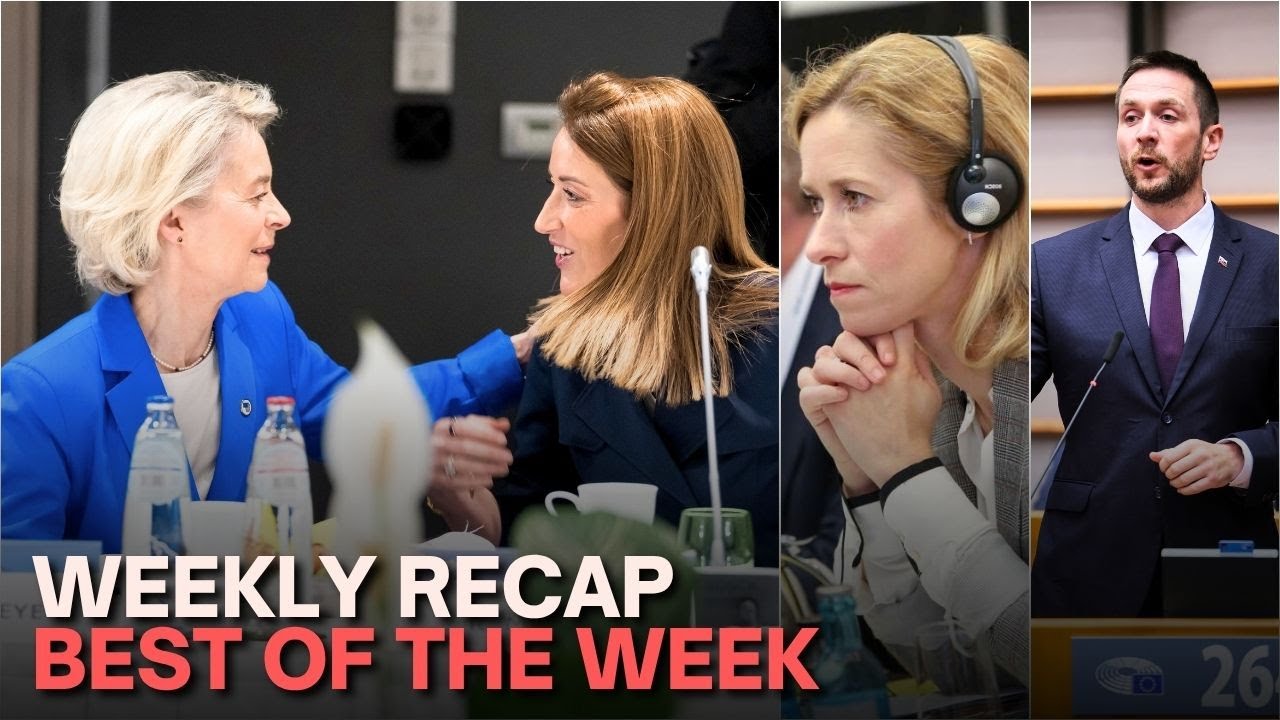
Inside the European Parliament, an emotional confrontation erupted when Slovak MEP Milan Uhrík used the commemoration of the Paris terror attacks to blame liberal and progressive lawmakers for “ten years of mass immigration, violence and murder.” Parliament President Roberta Metsola rebuked him sharply, calling his remarks “a shame” and urging him, at the very least, “to remember the victims.”
In Berlin, Europe’s defence chiefs underscored the growing urgency. EU High Representative Kaja Kallas praised Germany’s increased annual support of €11.5 billion for Ukraine, calling it a “powerful message” for Europe’s security. She stressed that Russia “does not want to negotiate at all,” pointing to the pattern of missile strikes each time the world seeks dialogue. Kallas argued that using immobilized Russian assets remains “the most clear-cut way” to sustain Ukraine’s defence and warned that hybrid attacks — sabotage, cyberattacks, drone incursions — are becoming “a daily occurrence.”
At the same meeting, German Defence Minister Boris Pistorius condemned Russia’s strategy of weaponizing winter. He accused Putin of trying to “make the winter as unbearable as possible” for Ukrainians by targeting energy infrastructure and civilian morale. Pistorius reaffirmed Germany’s long-term commitment: “We will not abandon Ukraine… next year support will exceed €11.5 billion.”
From Brussels to Berlin, this week made one thing clear: Europe is preparing for a critical winter — one shaped by Russian aggression, internal political polarization, and a strategic race to strengthen defence and unity.
——————————————————
*Subscribe to Europe Pulse*
Stay updated with the latest news from Europe.
#EuropePulse #BreakingNews #EU #WorldNews #Politics #TrendingNow #NewsUpdate #Analysis #Ukraine #Russia #USA #UK #EuropeanUnion #NATO #WorldEvents #CurrentAffairs #EUnews #TopStories #InternationalNews #Brussels #Leaders #ViralNews #Headlines
