
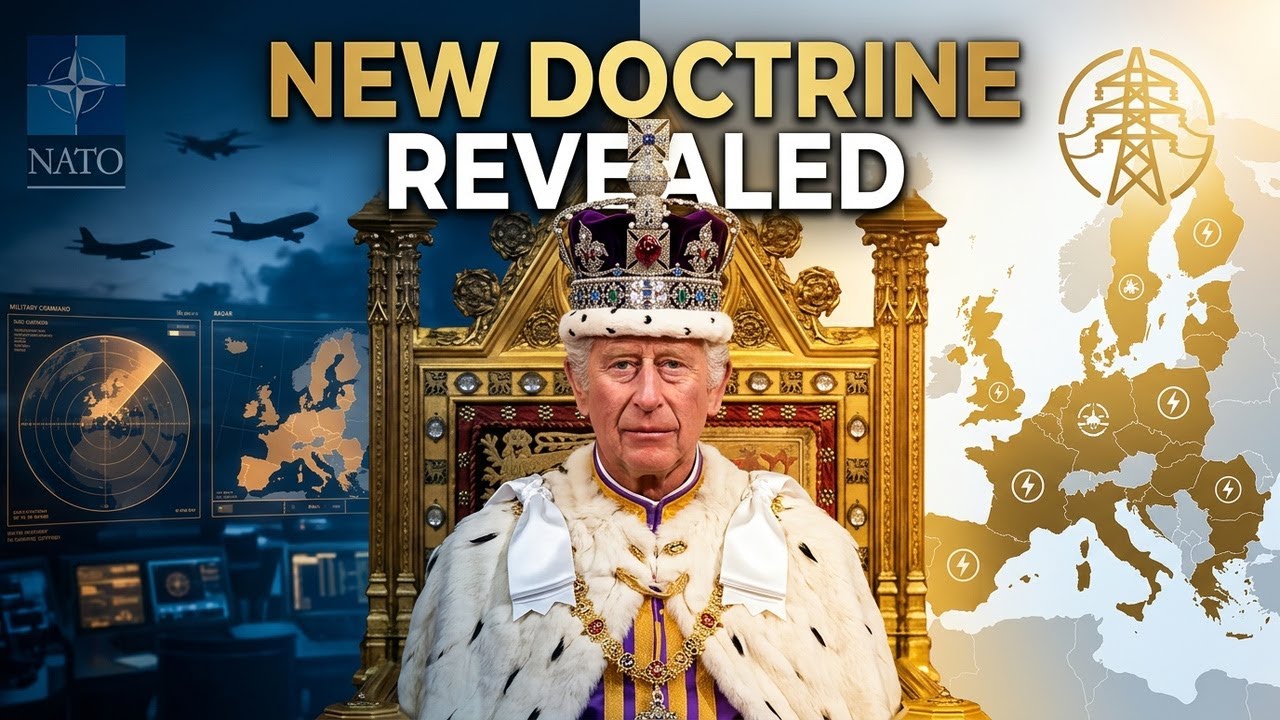
In a moment resonating with historical significance, King Charles III addressed the 2026 State Opening of Parliament, delivering one of the most politically charged speeches of Prime Minister Keir Starmer’s government. For Europe Pulse readers, the King’s words heralded a profound shift, outlining a sweeping legislative agenda designed to reshape Britain’s economy, its national resilience, its quest for energy independence, and critically, its relationship with Europe.
A New Era of Economic Security and State Intervention
At the core of His Majesty’s speech was a compelling message: Britain is determined to fortify its economic future in an increasingly volatile global landscape. Starmer’s administration is championing an ‘active-state agenda,’ deploying public investment, ambitious industrial policy, infrastructure reform, and closer trade ties to ignite growth and alleviate the cost of living crisis. A headline-grabbing proposal is the Steel Industry Nationalisation Bill, which provides a framework for intervening in strategic industries like British Steel. Official briefing notes underscore steel’s critical role across infrastructure, defence, clean energy, and the broader UK economy, signalling a dramatic state intervention to safeguard domestic production and national capabilities.
Rebuilding Bridges: The European Partnership Bill
Perhaps the most significant announcement for our European readership was the unveiling of the European Partnership Bill. Described by the King as legislation to “strengthen ties with the European Union,” this bill marks a major step towards closer UK-EU relations. Reports suggest it could establish a framework for the UK to adopt EU rules where mutually beneficial agreements with Brussels are reached, signalling a pragmatic pivot to mend and enhance post-Brexit relations. This move could redefine the UK’s place on the continent, fostering a more cooperative and integrated future.
Energy Independence: A Pillar of National Security
Energy took centre stage as a matter of national security. The Energy Independence Bill frames clean British energy and nuclear power as crucial bulwarks against hostile actors and global shocks. The government’s long-term vision positions secure domestic energy production as paramount, reducing reliance on external sources and bolstering the nation’s resilience. This commitment reflects a wider global trend of states securing vital resources in an era of geopolitical instability.
Strengthening Society: From Digital ID to Hillsborough Law
Beyond the grand strategic shifts, the King’s speech also detailed a raft of domestic reforms aimed at modernising public services and reinforcing trust. The introduction of Digital ID is set to streamline citizen interactions with government, while significant reforms are planned for housing, including increased investment in social housing and comprehensive leasehold reform to cap ground rents. Policing, the NHS, and criminal justice are also slated for overhaul, capped by the crucial Hillsborough Law, which will embed a duty of candour for public servants – a vital step towards greater accountability and transparency.
Navigating a Volatile World: NATO and Global Threats
In a world grappling with conflict and uncertainty, Britain’s commitment to international security was reaffirmed. The speech reiterated strong support for NATO commitments, underscoring the UK’s unwavering solidarity with Ukraine in the face of ongoing aggression. Furthermore, the legislative agenda acknowledged the growing threats posed by cyber warfare and foreign state interference, promising measures to protect the nation’s digital infrastructure and democratic processes. King Charles’s address clearly articulated Britain’s resolve to play a robust role in global security, working alongside allies to counter emerging dangers.
This King’s Speech, therefore, is more than a constitutional formality; it is Prime Minister Starmer’s bold attempt to reset the national agenda. Facing internal criticism and recent electoral setbacks, the government is betting on an ambitious, interventionist approach. Britain, under its new security doctrine, is positioning itself for an era of proactive engagement – economically, socially, and internationally – with a clear eye on securing its future in an increasingly complex European and global landscape.